How to take your business online
In today’s fast-paced digital world, taking your business online is no longer a choice — it’s a necessity. Whether you’re a small retail store, a freelancer, or a large enterprise, having a strong online presence helps you reach a wider audience, build credibility, and increase revenue. This ultimate guide walks you through every step of taking your business online, from building a website to promoting it effectively.
Understand Why Going Online Matters
Before diving in, it’s essential to understand why your business needs an online presence. Going digital gives you the power to reach customers 24/7, expand beyond geographical limits, and compete with larger brands. Online platforms also allow you to collect data, understand customer behavior, and make smarter business decisions.

Define Your Business Goals and Target Audience
To take your business online
Your first step is to set clear online business goals. Do you want to increase sales, generate leads, or build brand awareness? Once your objectives are clear, define your target audience — their age, location, interests, and online habits. This will help tailor your website and marketing efforts.
Pro Tip: Use tools like Google Analytics, Facebook Insights, or SEMrush to research your audience and competitors.
Choose a Suitable Business Model
Decide how you’ll operate online. Common models include:
E-commerce store: Selling products directly through your website.
Service-based website: Offering services like consulting, digital marketing, or design.
Subscription model: Providing content or services on a recurring basis.
Affiliate marketing: Earning commission by promoting other brands’ products.
Each model has its own benefits, so choose the one that aligns best with your business goals.
Build a Professional Website and take your business online
Your website is your digital storefront. It should be user-friendly, visually appealing, and mobile-responsive. Platforms like WordPress, Shopify, or Wix make it easy to build websites without needing coding skills.
Essential Pages to Include:
Home Page: First impression of your brand.
About Us: Share your story and mission.
Products/Services: Showcase offerings with clear pricing.
Contact Page: Make it easy for customers to reach you.
Blog: Publish valuable content to improve SEO and credibility.
Set Up E-commerce and Payment Gateways
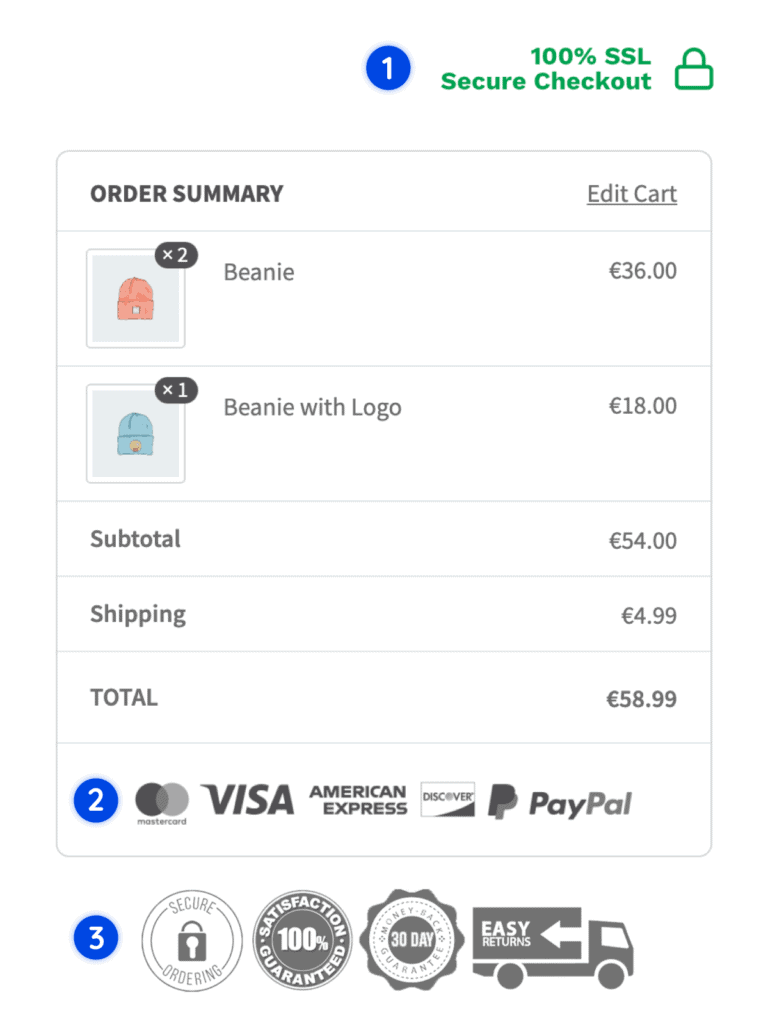
If you’re selling products or services online, integrating a secure payment system is crucial. Use trusted payment gateways like PayPal, Stripe, Razorpay, or Paytm to ensure smooth transactions. Also, include multiple payment options — credit/debit cards, UPI, or net banking.
Optimize for Search Engines (SEO) to take your busniness next level
To attract visitors organically, your website must be optimized for search engines like Google. Use SEO best practices such as:
Researching keywords relevant to your business.
Creating high-quality, keyword-rich content.
Optimizing meta tags, titles, and descriptions.
Building backlinks from trusted websites.
Ensuring fast loading speed and mobile optimization.
SEO helps your business appear on the first page of search results, increasing visibility and credibility.
Establish Your Social Media Presence
Social media is one of the most powerful tools for brand growth. Platforms like Instagram, Facebook, LinkedIn, and YouTube help you connect with customers, share updates, and drive traffic to your website.
Tips for Effective Social Media Marketing:
Post consistently and engage with followers.
Use paid ads to target specific audiences.
Collaborate with influencers in your niche.
Share user-generated content and success stories.
Invest in Digital Marketing
To scale your business online, use a mix of digital marketing strategies such as:
Search Engine Marketing (SEM): Paid ads on Google.
Email Marketing: Build relationships with personalized emails.
Content Marketing: Publish blogs, guides, and videos.
Affiliate Marketing: Partner with others to expand your reach.
Tracking and analyzing your marketing campaigns helps you identify what works best and where to invest more.
Focus on Customer Experience
Customer satisfaction is key to success online. Offer fast responses, easy navigation, secure checkout, and clear return policies. Encourage customer reviews and feedback — they boost your credibility and help improve your services.
Monitor and Improve Continuously
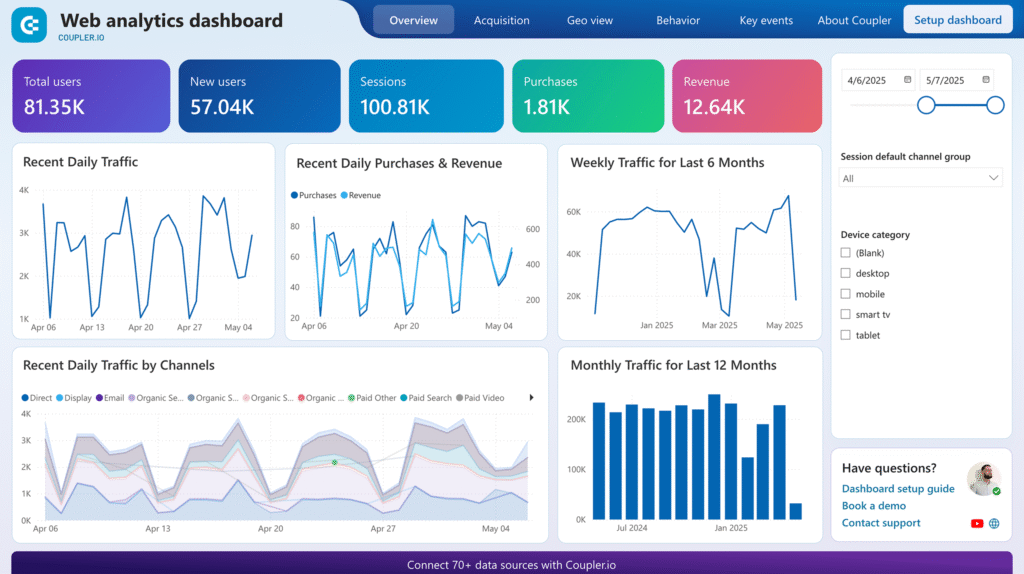
Taking your business online is not a one-time effort. Use analytics tools to track website traffic, conversions, and user behavior. Regularly update your website content, improve your SEO, and test new marketing strategies to stay competitive.